A first haircut carries more folklore than almost anything else a barber does. Grandparents have opinions, the internet has stronger ones, and parents in Harrisburg usually arrive with a mix of real questions and inherited myths. The visit itself is simple: fifteen to thirty minutes, a patient barber, and a child who does not need to perform. Sorting the claims first makes the day calmer for everyone.
| Claim | Verdict | What is actually true |
|---|---|---|
| Cutting a baby's hair makes it grow back thicker | Myth | Cut ends feel coarser because they are blunt, but thickness and density are set by follicles and do not change with cutting. |
| There is a correct age for the first haircut | Myth | Readiness is about hair and temperament, not age. Some children need a trim before their first birthday; others have little to cut at two. |
| The first cut should wait until hair is in the eyes or over the ears | Mostly true | Those are practical triggers, along with tangles at the nape and hair that will not stay out of the face. Comfort, not ceremony, sets the timing. |
| A child must sit perfectly still for a haircut | Myth | Barbers who cut kids' hair expect movement and work in short passes. Perfect stillness matters less than a calm, unhurried visit. |
| Shaving a child's head makes hair even | Myth | Uneven baby hair evens out as early fine hair is replaced naturally over the first couple of years, with or without cutting. |
| The first haircut is a good time for a dramatic new style | It depends | A simple tidy is the safer first visit. Styling decisions are easier once a child knows the chair, the cape, and the sounds. |
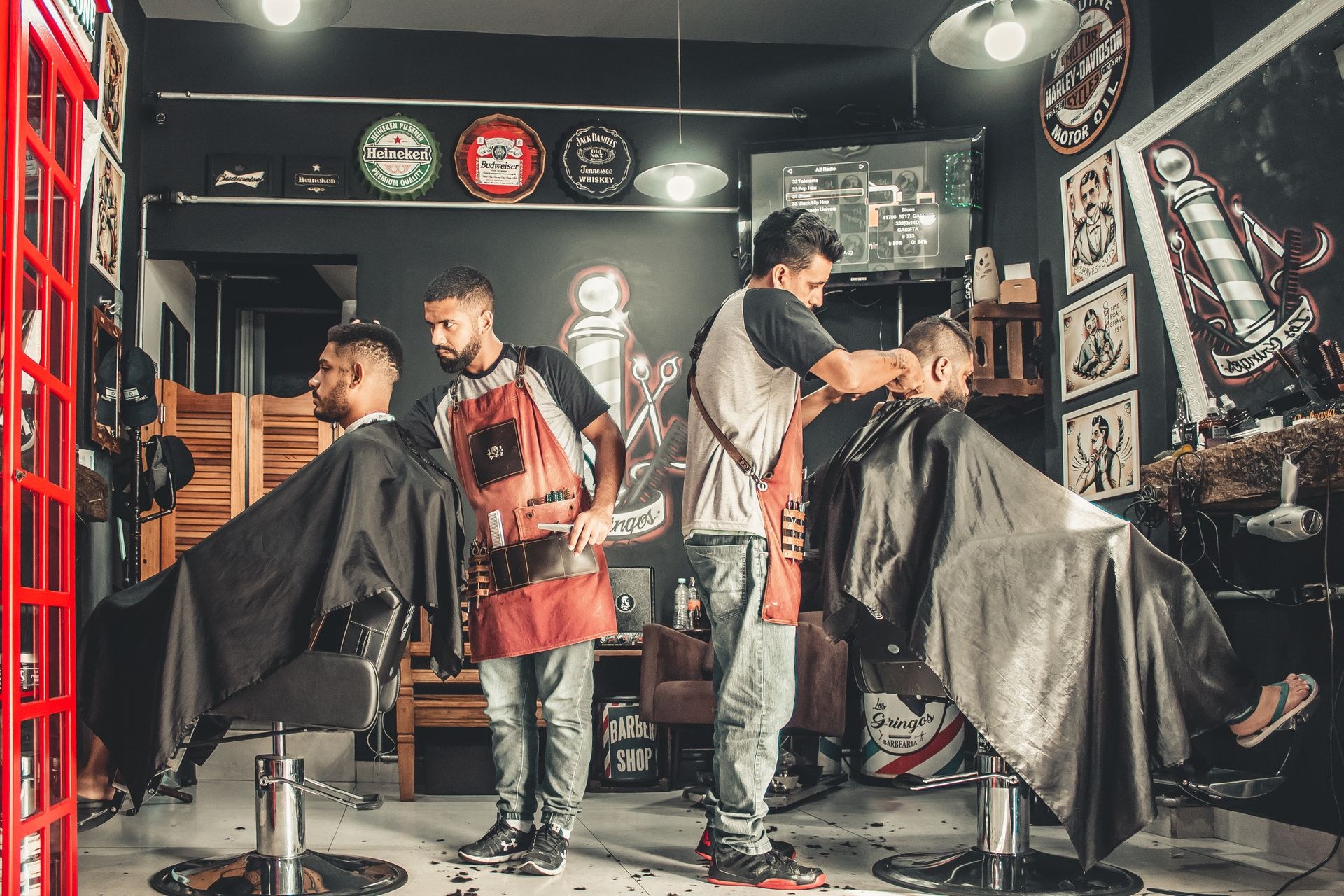
When kids are ready
Signs of readiness are practical. The child can sit supported for fifteen minutes or so, is not in a phase of strong stranger fear, and has enough hair to need it: fringe in the eyes, coverage over the ears, or a mullet-like back that tangles. Scheduling matters more than age. Mid-morning on a weekday, after food and before nap time, beats a busy Saturday for almost every toddler. At Azeal Barber Shop Of Harrisburg, telling the shop it is a first haircut when you book lets the visit be paced for it.
Prep that actually helps
Talk about it plainly a day or two ahead: the barber will trim your hair, it does not hurt, there may be a cape and a spray bottle. Play barber at home with a comb if the child likes games of pretend. Bring a favorite small toy or snack for after, a change of shirt if loose hair bothers them, and, for children who startle at noise, a heads-up that clippers buzz; a scissor-only first cut is a reasonable request. Avoid arriving with a hungry, tired child and five relatives filming. Fewer audience members, calmer kid.
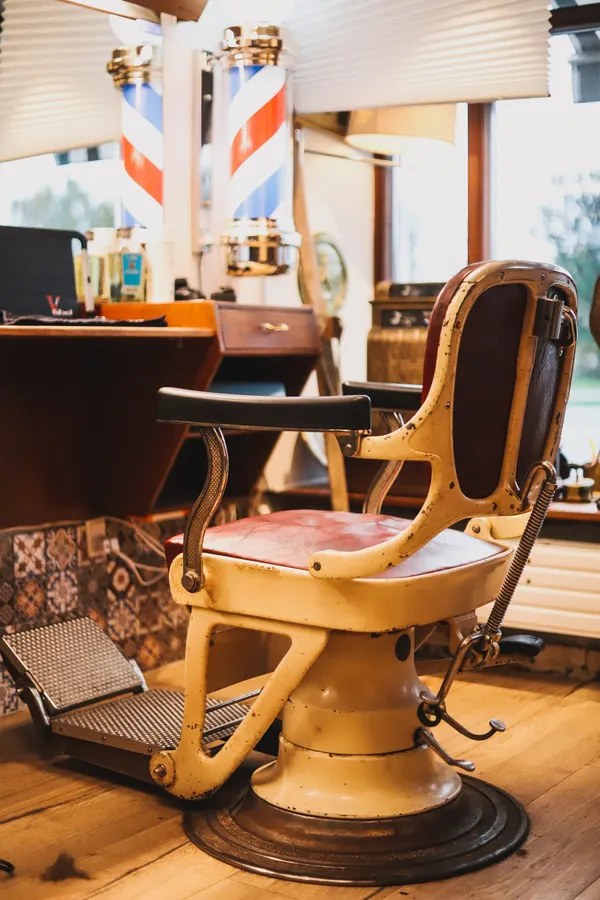
What the visit looks like
Many young children do their first cut sitting on a parent's lap, cape over both or just the child. The barber works in short passes, checks in often, and follows the child's tolerance rather than a fixed plan. A first cut may end at ninety percent tidy because the child is done, and that is a success, not a failure. The second visit, with the mystery gone, almost always goes further. If you want a lock of hair saved, ask before the cut starts and bring a small envelope; barbers do this gladly when they know in advance.
After the first visit
The weeks after the first haircut teach their own lesson. Most children who had a reasonable first experience walk into the second visit noticeably calmer, because every unknown, the chair, the cape, the buzzing, the spray bottle, is now a known thing. Keeping the same shop and, where possible, the same barber for the next few cuts builds on that familiarity. Children's hair also changes quickly in the first years: fine baby hair is replaced by coarser growth, cowlicks declare themselves, and a cut that suited a one-year-old may need rethinking by three. Regular small trims every couple of months keep the shape ahead of those changes and keep the chair a normal place rather than a rare event.
Common questions
How long does a first haircut take?
Usually fifteen to thirty minutes of chair time, including settling in. A child who needs breaks may take a little longer, and that is fine.
What if my child cries?
It happens and barbers who cut children's hair are used to it. The visit can pause, move to a parent's lap, or stop and resume another day if the child is truly distressed.
Should the first cut use clippers or scissors?
Either works. Scissors are quieter and often better for a noise-sensitive child, while clippers are faster for short styles. Ask for what suits your child.
Photos in this guide are representative stock images.
← All guides from Azeal Barber Shop Of Harrisburg← Back to Azeal Barber Shop Of Harrisburg